A festival-management sim at true scale · PC · Coming to Steam
Build the festival. Keep the wooks alive.
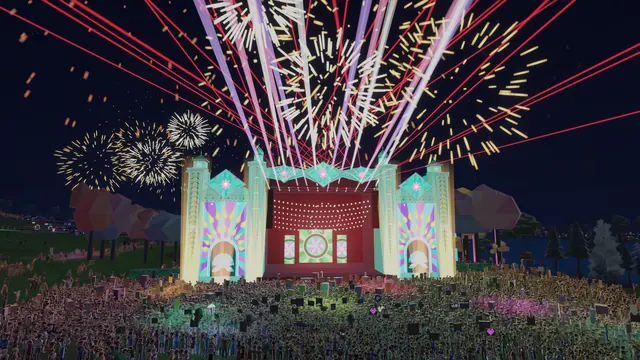
Terraform a field, zone the camping, fence the venue, book the stages and staff the gates. Then open them,
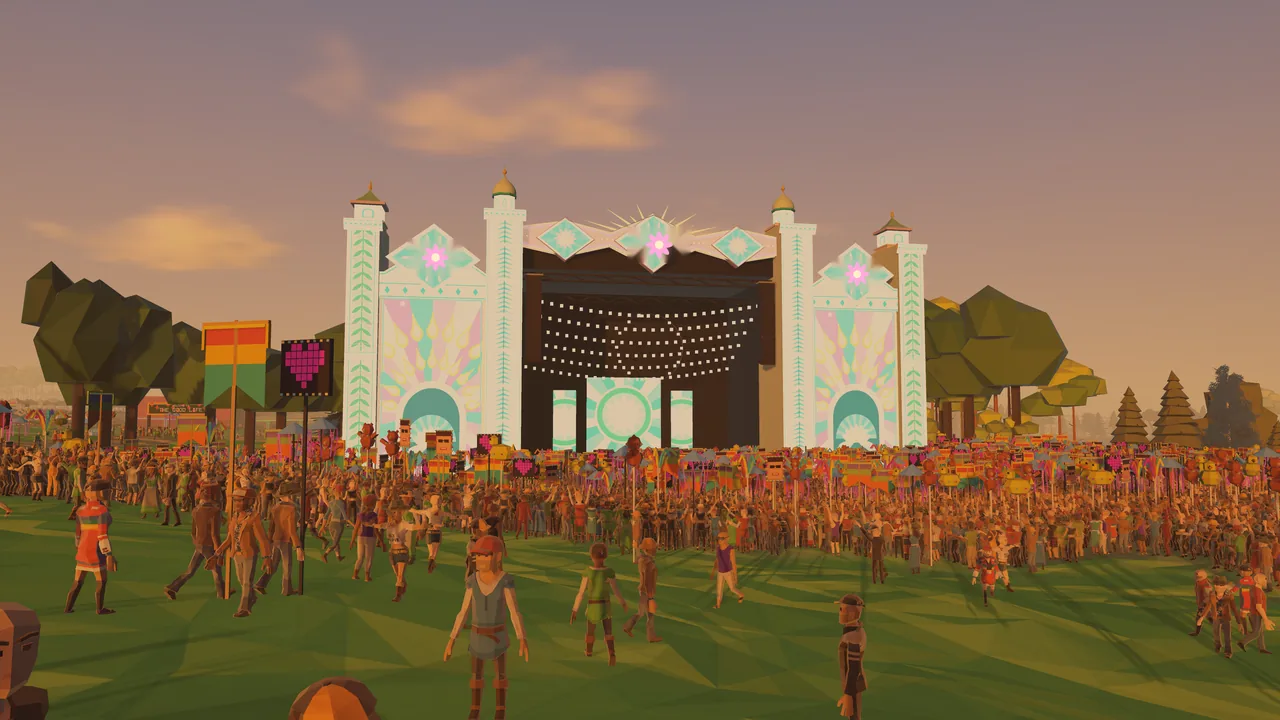
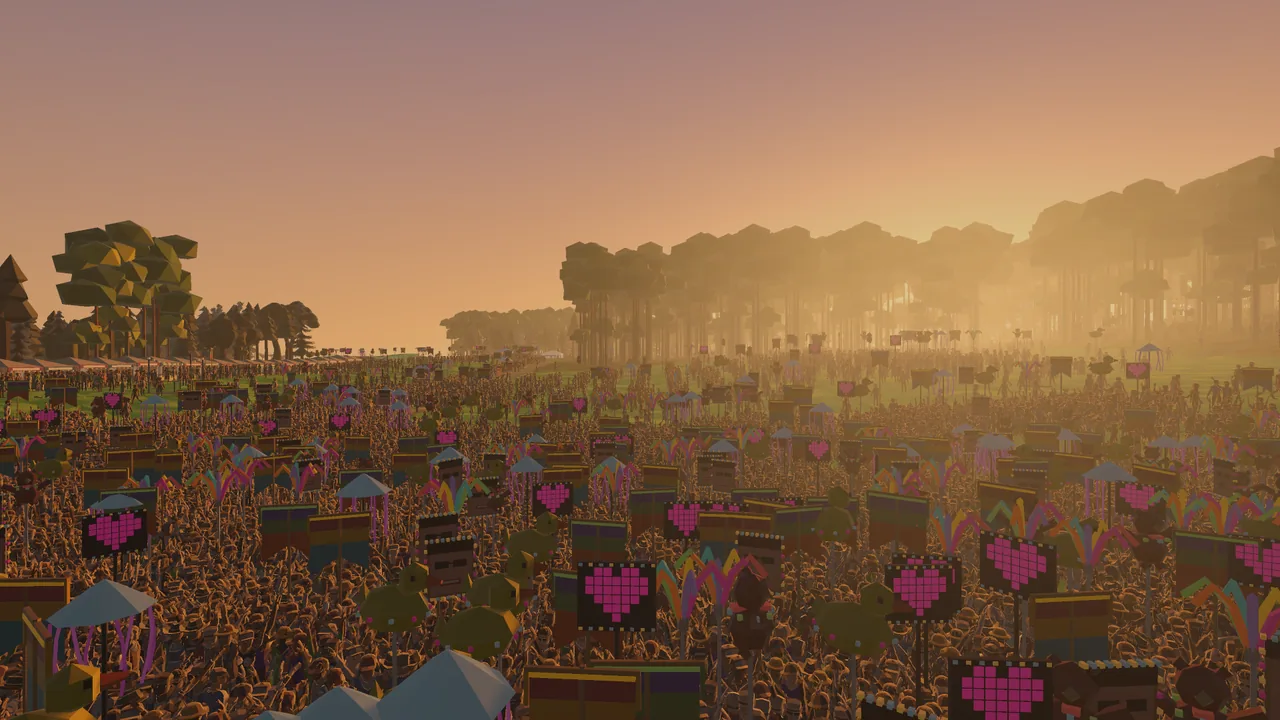
and watch tens of thousands of people who all want to be at the front at the same time.
A management sim about the hardest show on earth: the crowd.
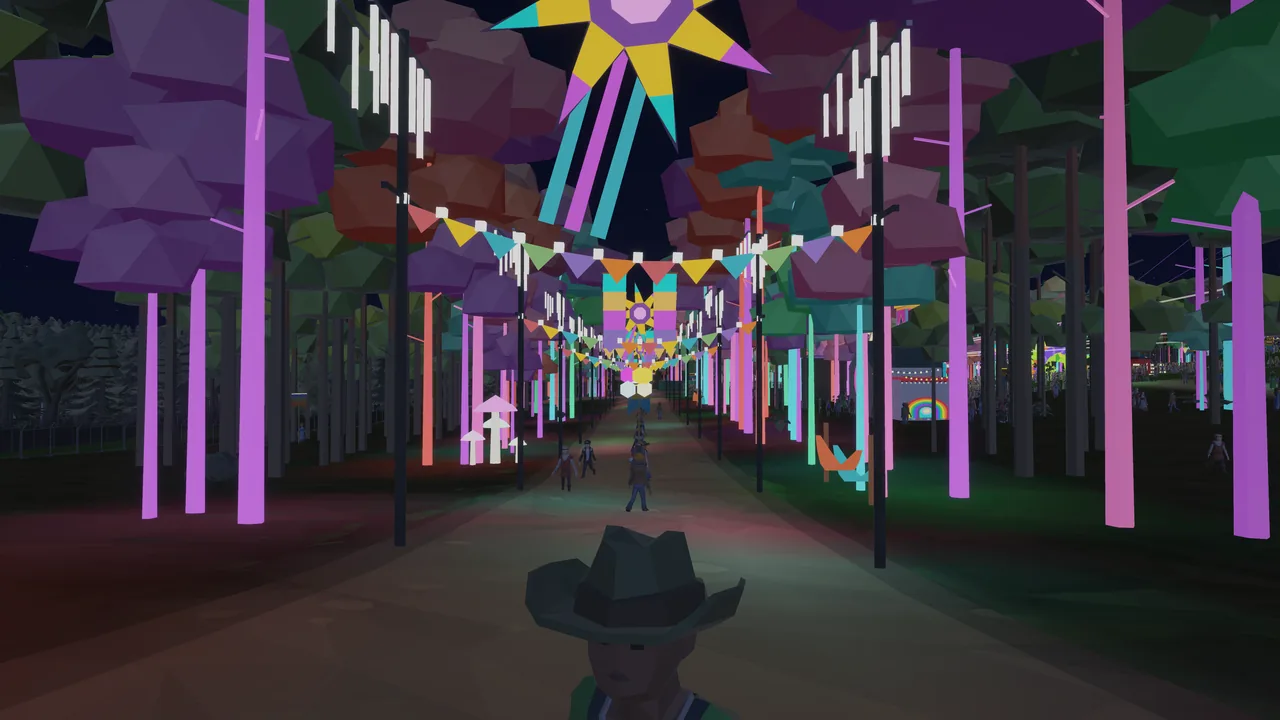
Wookland is a Planet-Coaster-style management game about running camping music festivals, inspired by the real
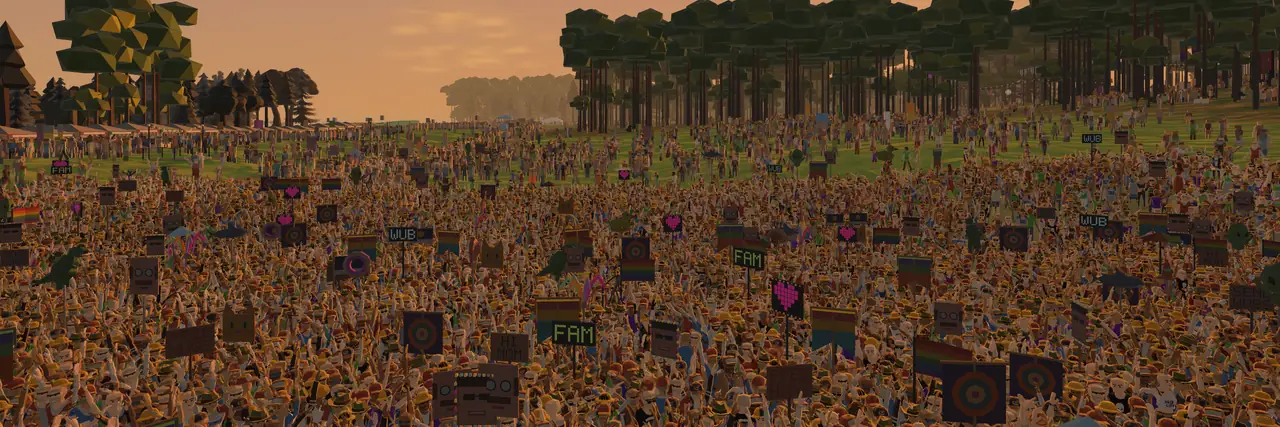
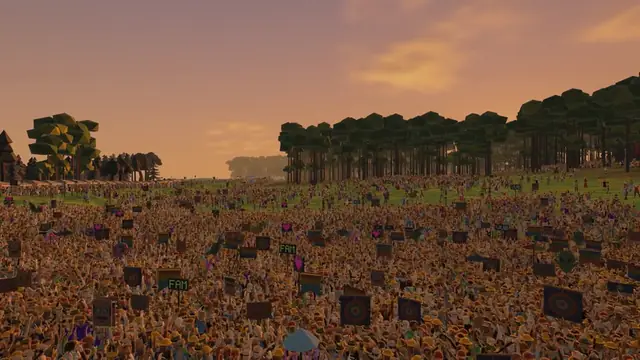
45,000-person forest festivals. Every guest is simulated: their rave fam, their favourite DJ, their bladder, their cooler,
their sleep debt and their plans for the headliner. The crowd itself moves like a fluid, using the same density
numbers real safety planners use. Get it right and it’s the best weekend of forty-five thousand lives. Get it wrong
and it’s a crush at the gate at 02:00.
And then there are the wooks. Twenty dollars and a crystal, a finger up for a miracle ticket, and a deep personal
knowledge of every blind spot in your fence line. We love them. You will learn to plan for them.
45,000 guests. Every wook simulated.
What you’re in charge of
01
Build it
Build the whole site
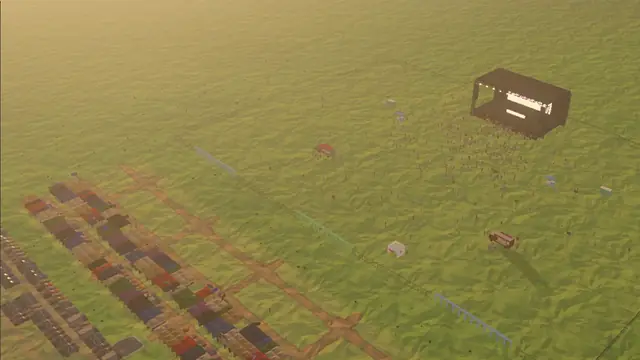
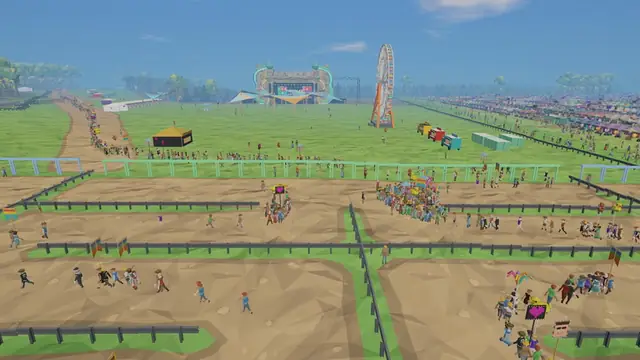
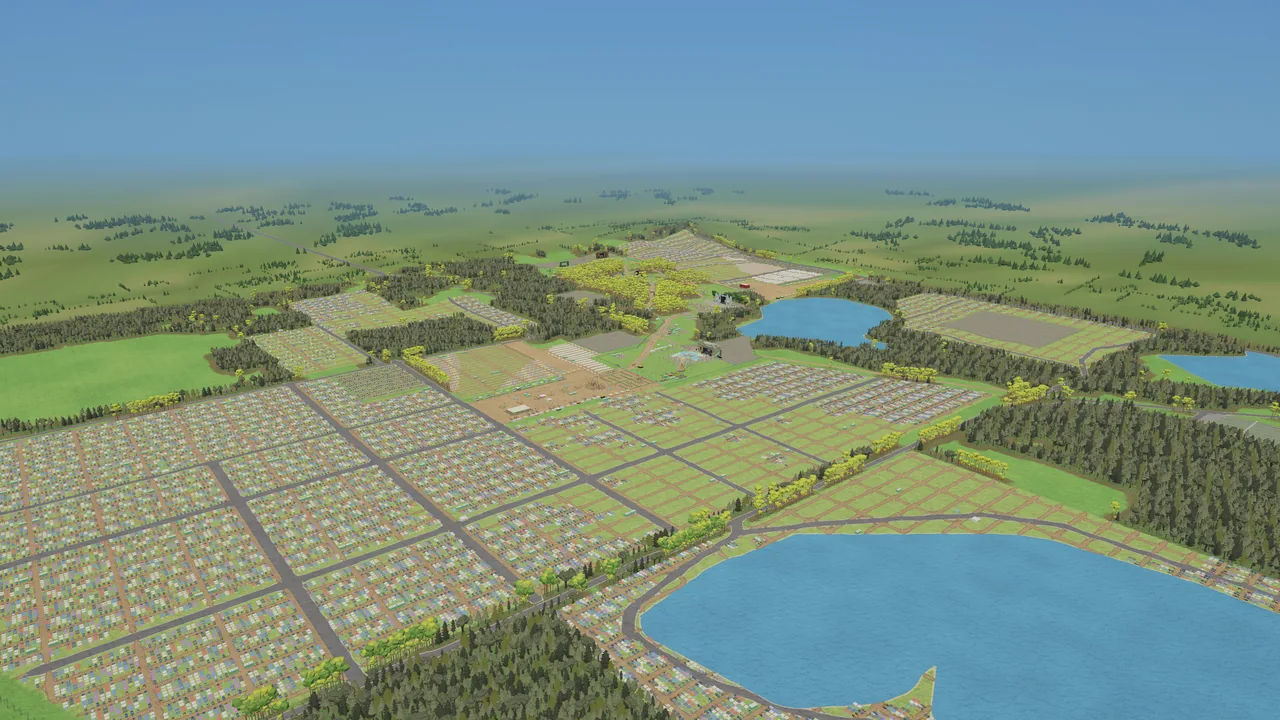
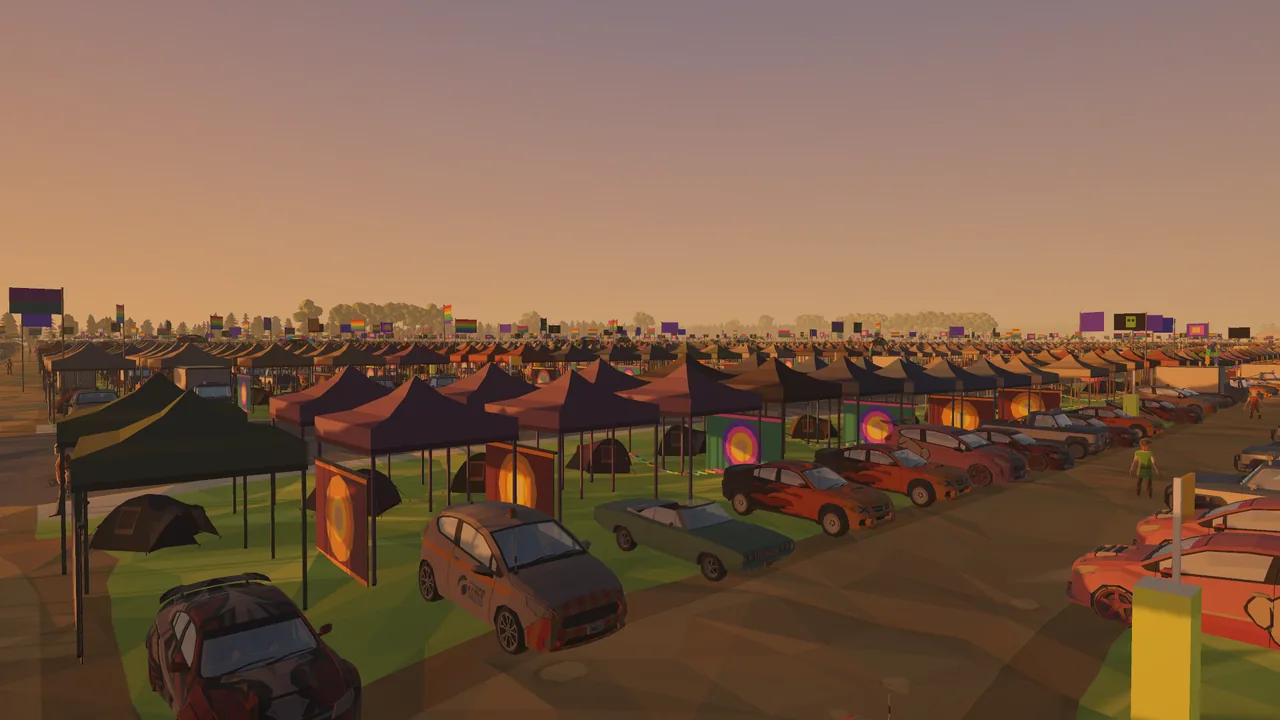
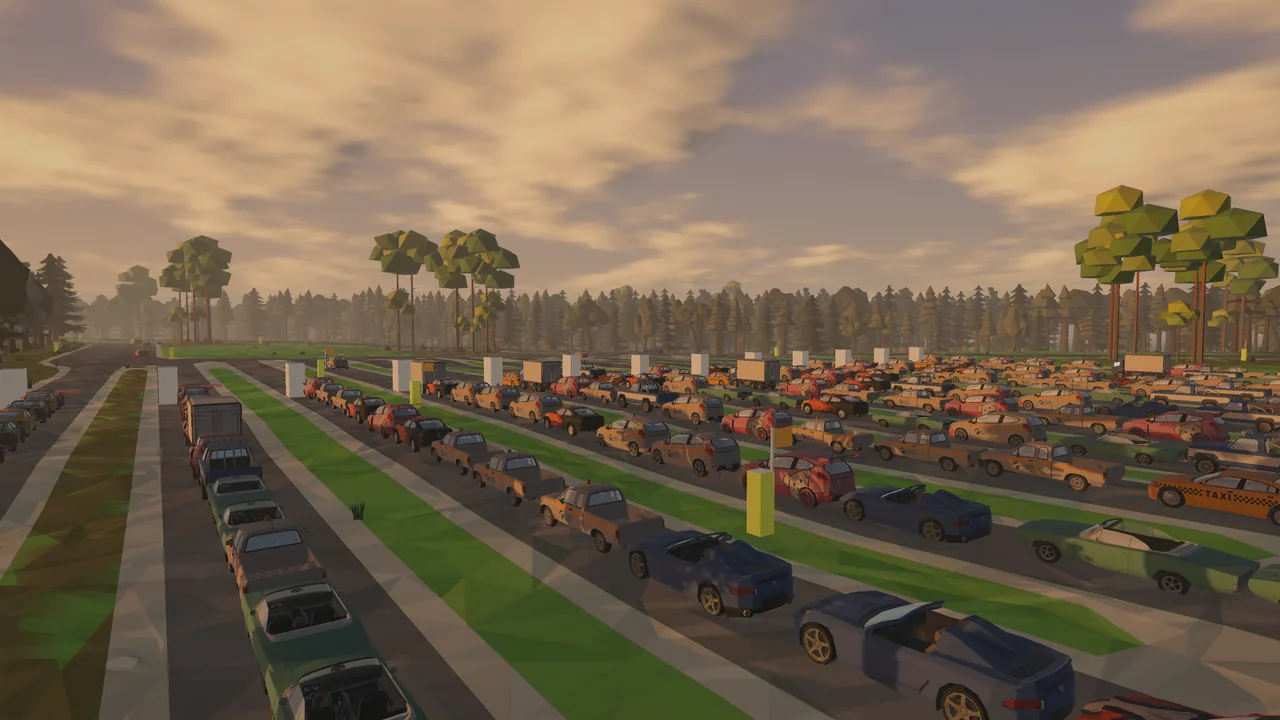
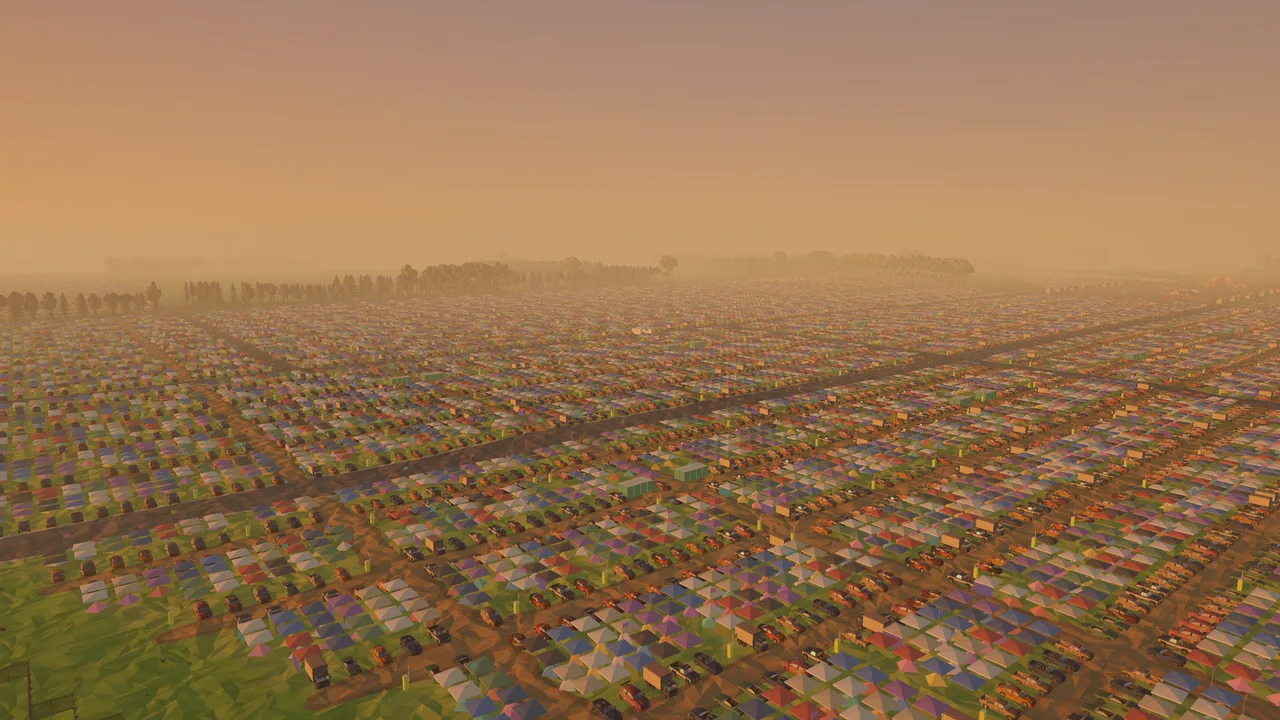
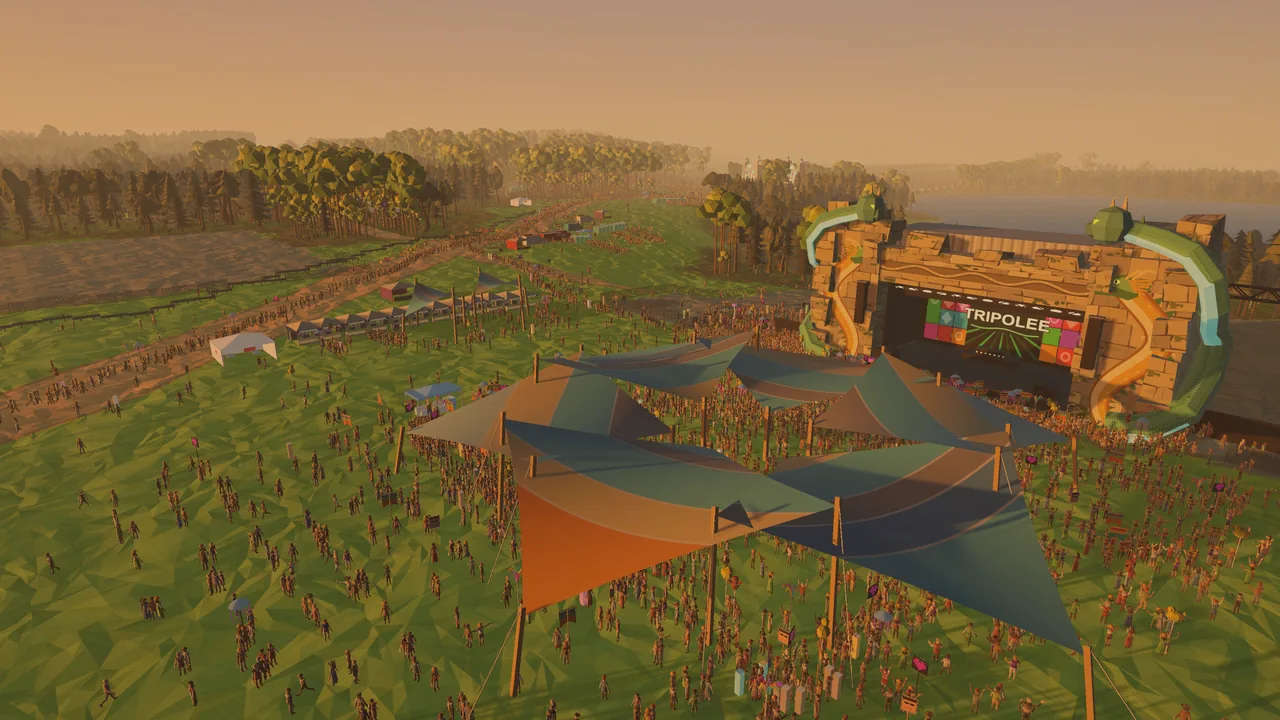
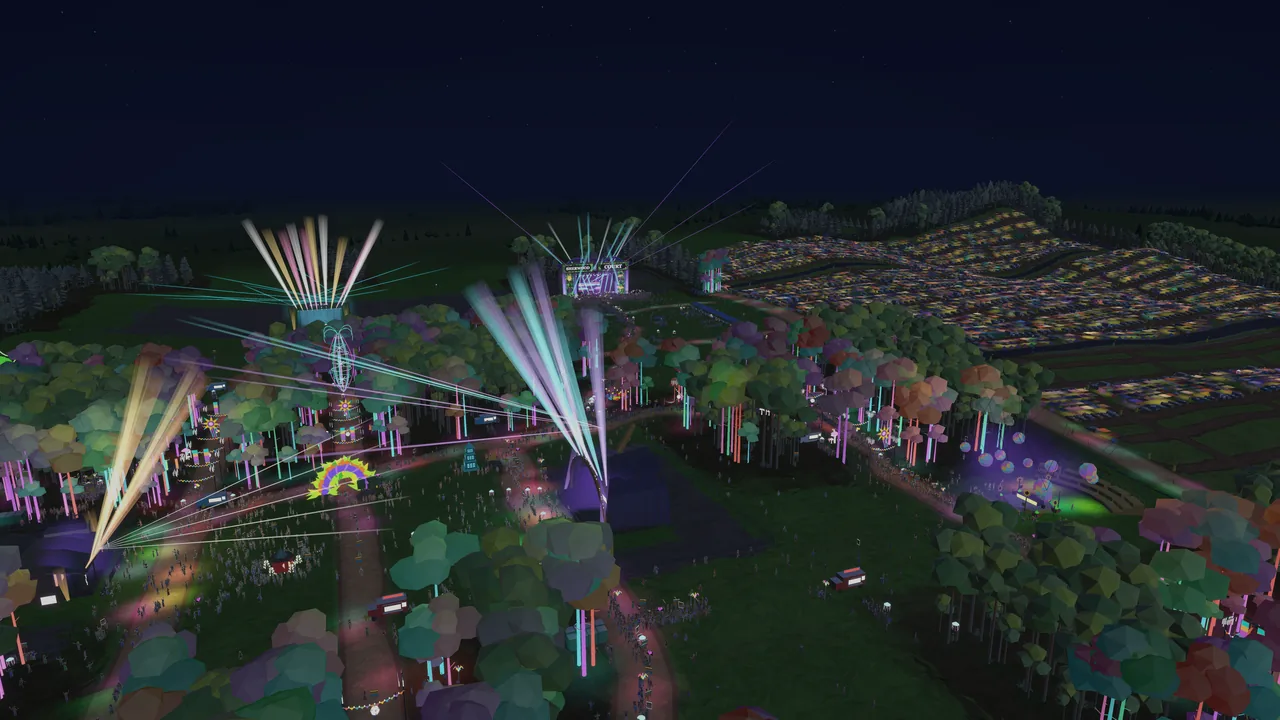
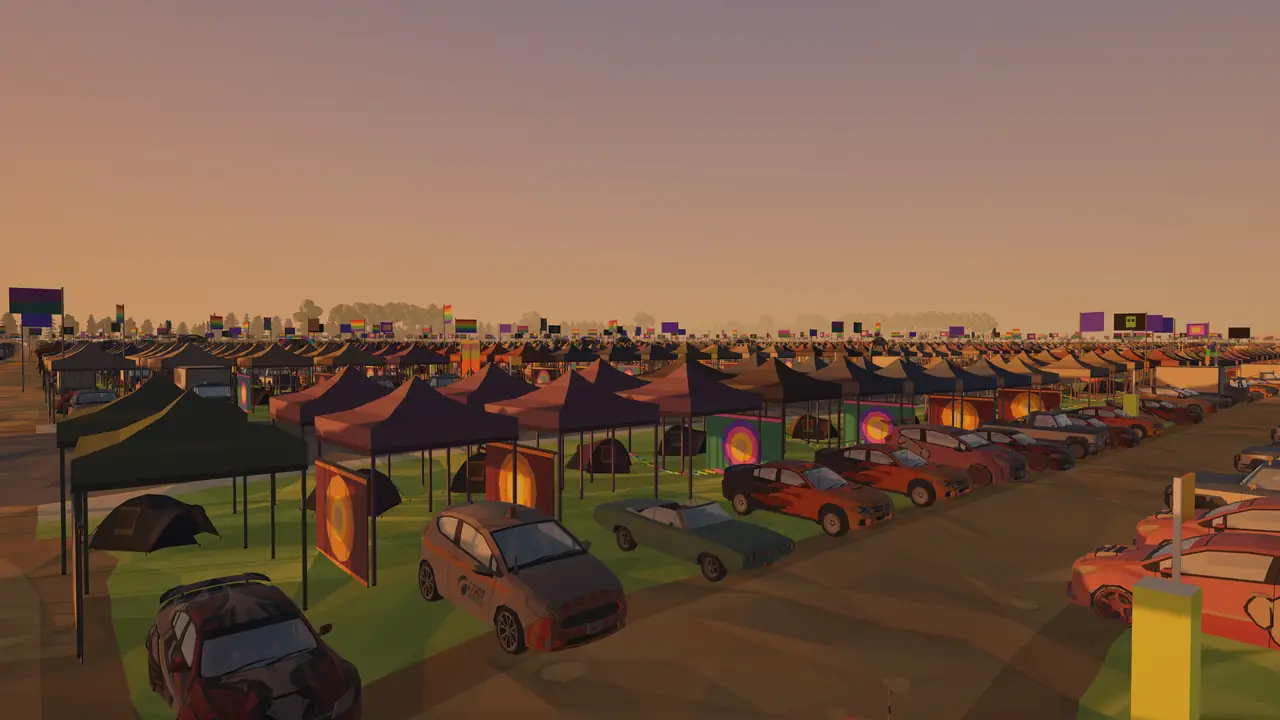
Terraform the land, lay roads and footpaths, zone parking and campgrounds, and place the stages. Then decide where 15,700 cars are going to go.
MoreLess
Fences, barricades, entrances, perimeter posts, art, medical and Main Street are all yours to place too.
Book it, sell it
Start with a Bass Shack ($5,100) and work up to The Mothership ($83,200). Sell premium wristbands for the nicer camping; somebody from GA will try it anyway.
MoreLess
The big decks unlock as the crowd grows and the vibes hold. Book the lineup to the minute and set the ticket price and the arrival days. The GA hopefuls in the nice camp will be extremely normal about it.
Real places, real skies
Throw it at Stonehenge for the solstice sunrise, or on an Antarctic ice shelf where the sun never sets and the locals already dress formal.
MoreLess
Or under Mount Rushmore, on the salt flats or under the Arctic midnight sun. Every site is built from real elevation data and OpenStreetMap, with its own weather and the sun and moon where they’d really be. Or start from a blank field. Run time at x1 to x1000, or let the auto-play bot build a well-run festival (or a badly run one) and watch.
02
Get them in
Getting there, sleeping there
Not everyone drives. Run shuttles from the hotels, and keep the line for the last bus of the night from turning into a crowd.
MoreLess
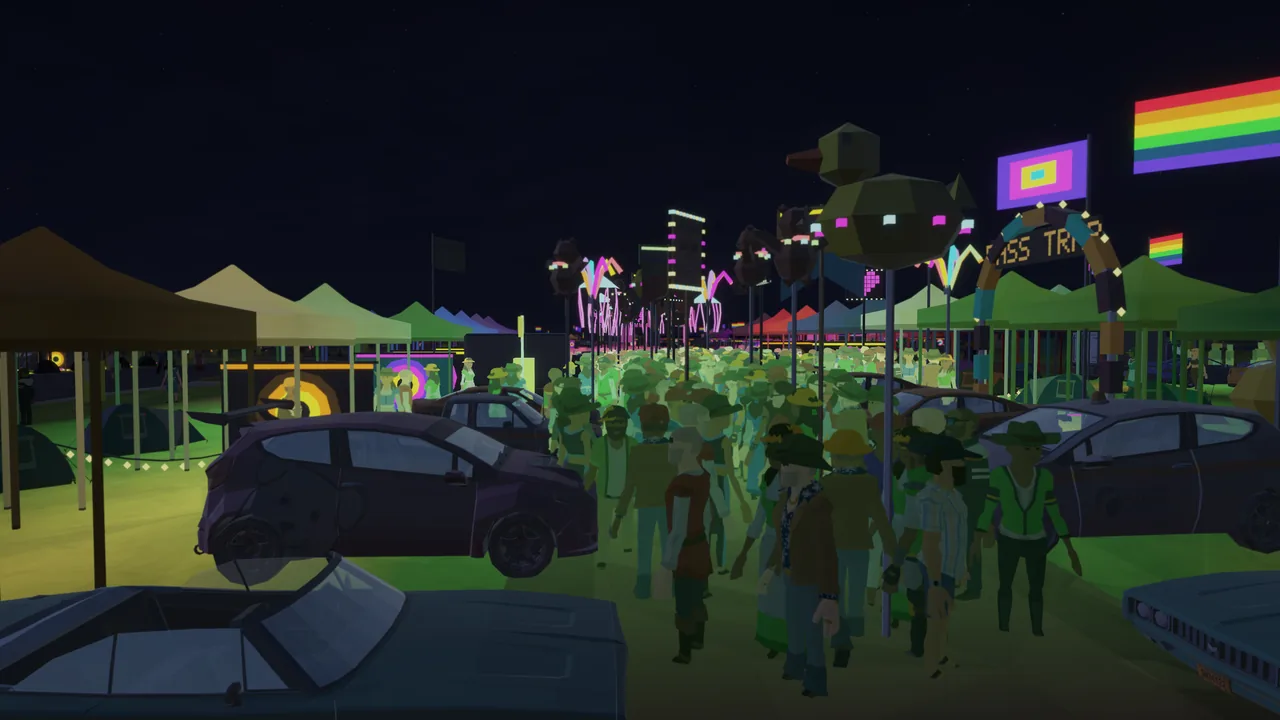
Place the bus stops, then lay out car camping, walk-in tents, bell tents, cabins or RV pads, and watch the walk-in fams haul a weekend’s worth of camp from the lot by wagon, one cooler at a time.
Gates, searches and fence-hoppers
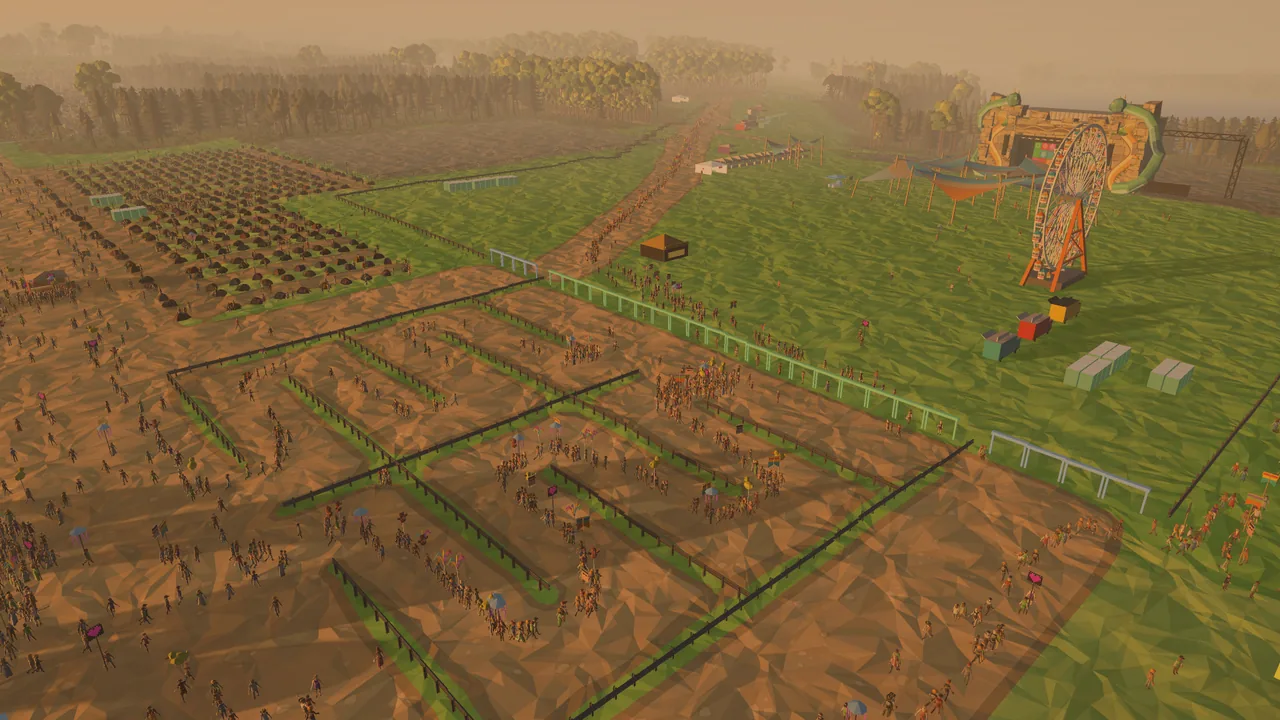
A thorough search catches the contraband but makes the line long, and a long line makes a pushy crowd.
MoreLess
Ticketless wooks wait for a miracle, then go looking for the part of your fence a perimeter post can’t see.
03
The crowd
A crowd that flows
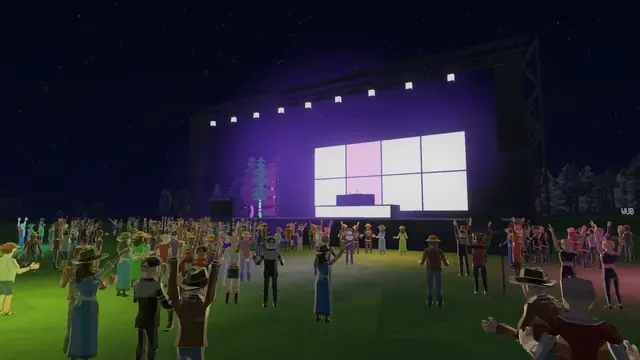
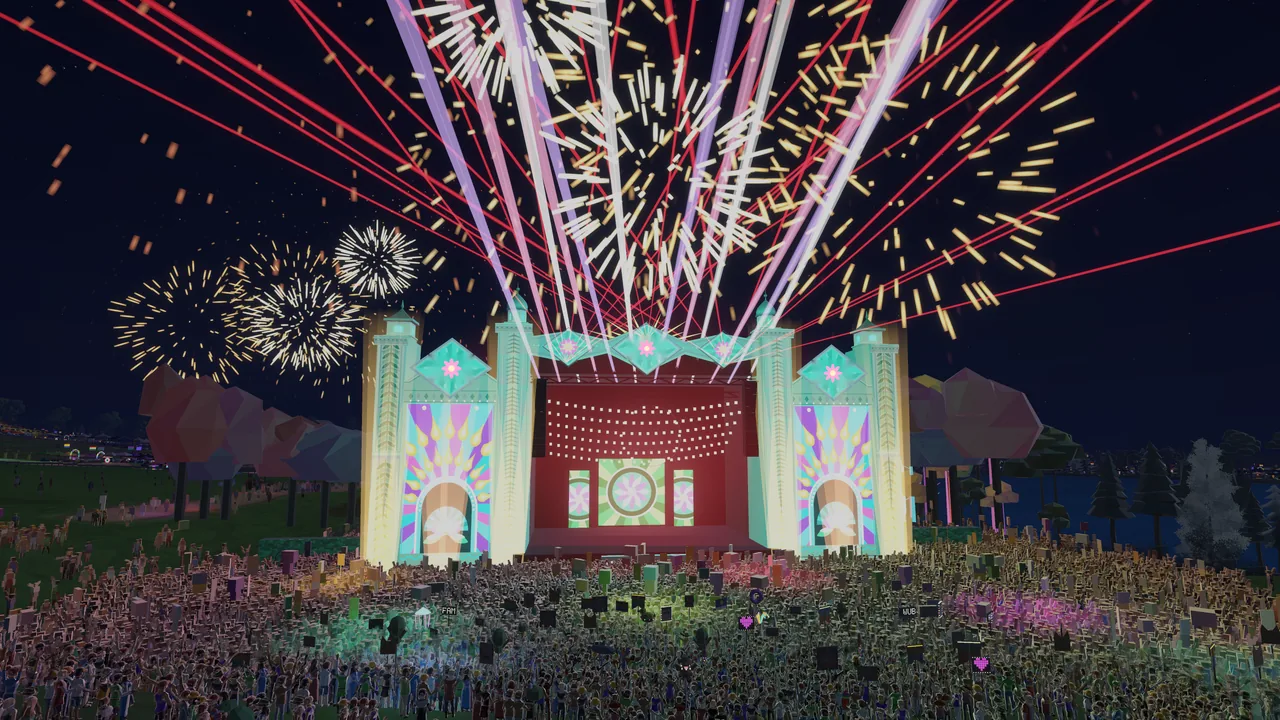
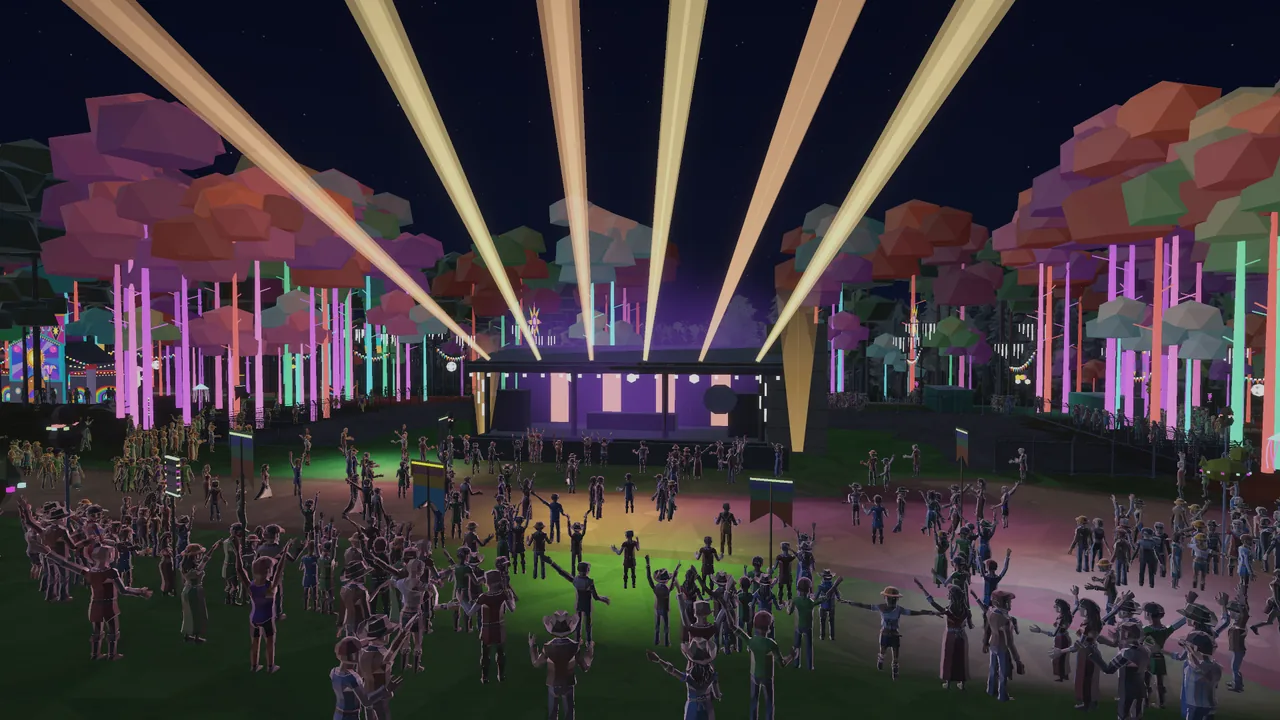
People pick sets from the lineup and plan the walk. At close, everyone leaves at once. That’s the real test.
MoreLess
They stinkface when the bass drops. Set changes are mass migrations, and headliners pull everybody.
Rave fams and totems
A carload is a family, and about one in ten flies a totem. “Stay behind the shrimp. The shrimp knows the way.”
MoreLess
You can see a totem from 70 metres and a face from 12, which is how friends get lost in a crowd of thousands.
A drug-aware crowd
Nine substances, each on its own curve. Click any guest to see what they took, when, and whether it’s peaking. How it works.
MoreLess
It changes where they stand, how hot they run and whether they find their fam again. Free water, care tents and drug checking change how the night ends.
04
Run the show
Know what they’re thinking
Every guest has a mood and a reason for it, and the festival ends with a grade from A to F. Safety caps it: if someone died, the best you can get is a C.
MoreLess
The set they love, the fam they found, the porta-potty line they’ve been in for forty minutes: GUESTS ARE THINKING shows what’s on the most minds, and the end-of-festival report names the three things that cost you most and a fix for each.
Every bladder simulated
Everyone wakes up needing to go at once. No loo in reach means a wild wee behind the nearest van.
MoreLess
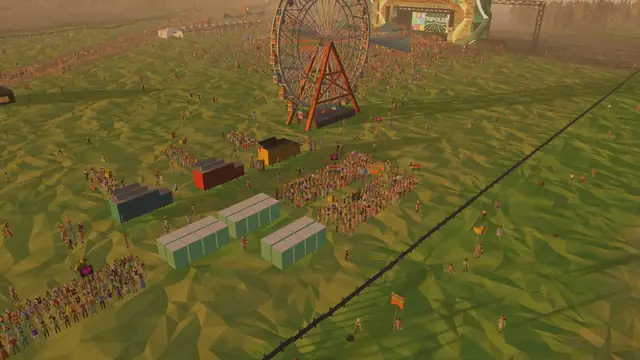
Bladders, porta-potty banks with real queues, tanks that fill up and a honey wagon on its rounds.
Main Street
$85 hoodies sell themselves at 3 a.m. By day three the cooler ice is gone and the hot dogs are swimming.
MoreLess
Food trucks with lines, standing tables, the cereal bar and the general store.
05
Life in camp
Camp life
Sleep debt, sun-baked tents at 9 a.m. and festival dads on the camp stove practising pancake diplomacy.
MoreLess
The pregame at camp, and the long walk back at dawn.
Renegade sets
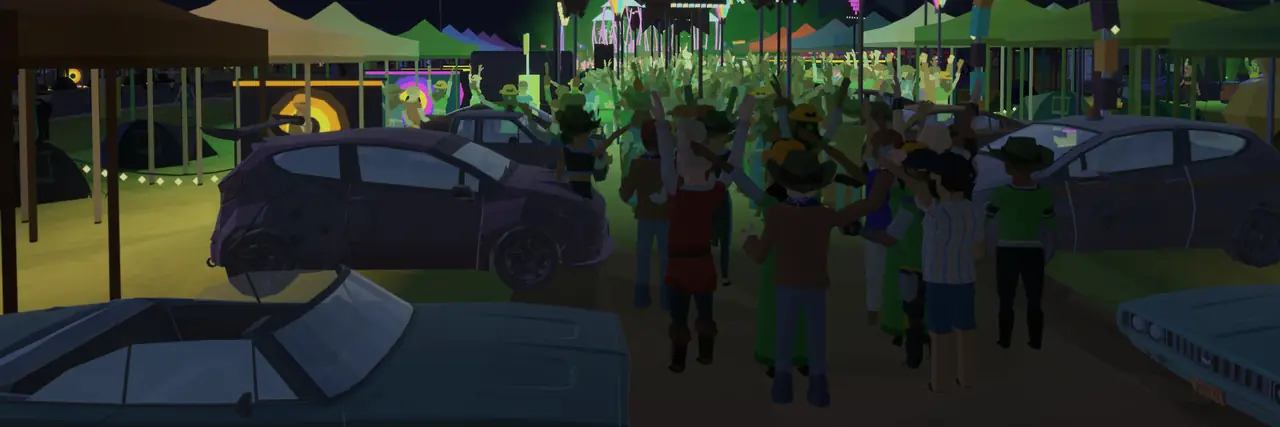
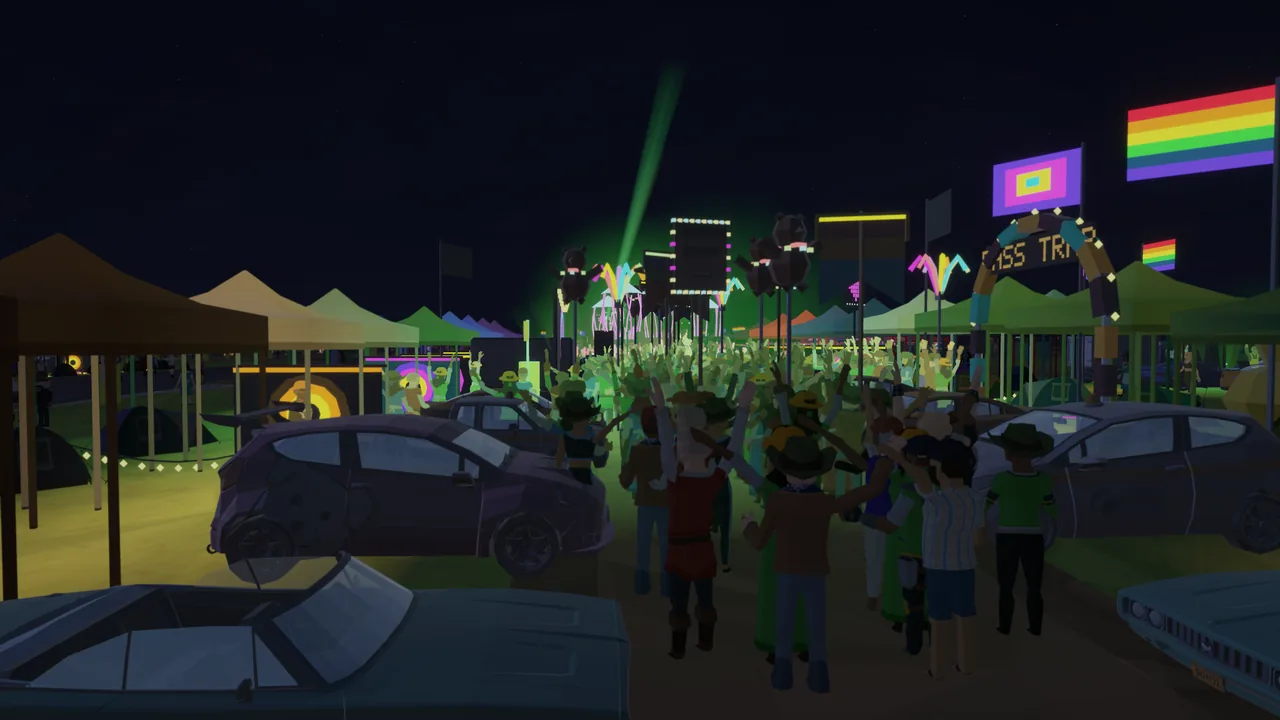
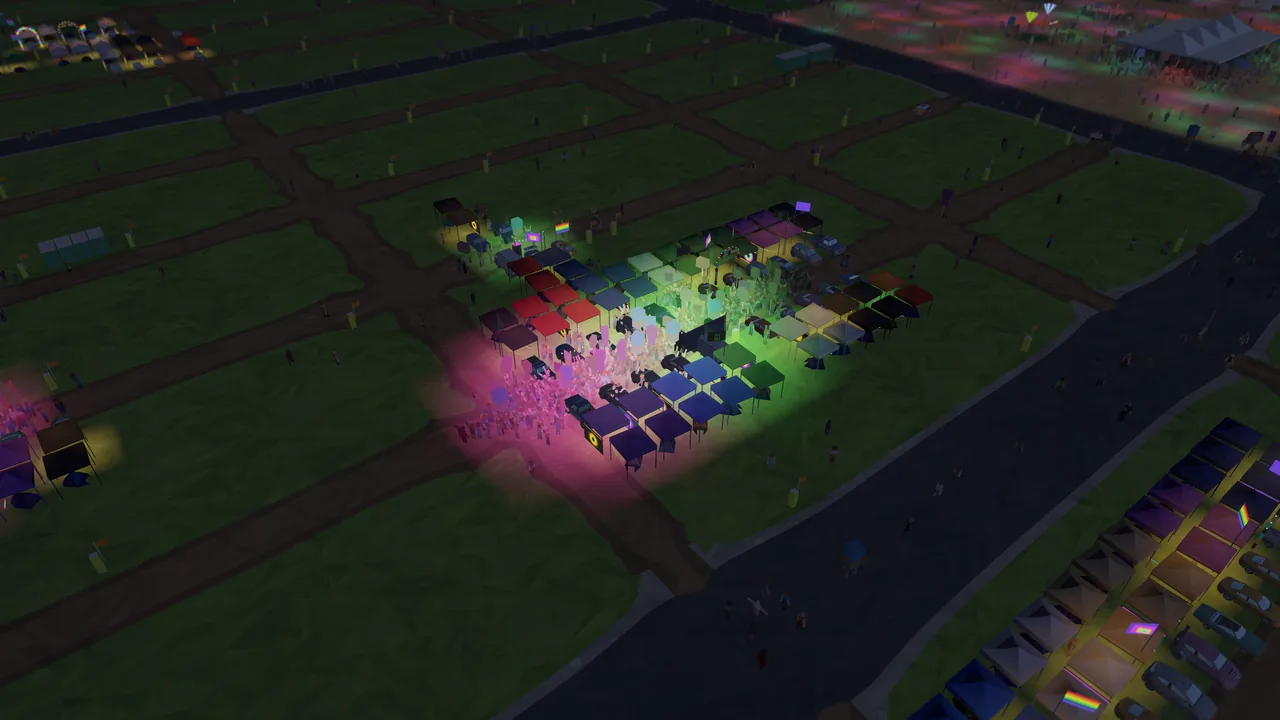
After the music, camps with a sound system play the lane in front of their camp. A lane packed between parked cars is a crowd like any other.
MoreLess
A speaker on a cooler, string lights, decks on a folding table, and everyone in earshot wandering over with their fam. Between the cars there’s nowhere to go, so it’s your call: let them play, shut them down on complaints, or pull the plug yourself.
Weather you have to call
Call the weather hold too early and you drain the vibes. Too late and people are still in the field when the storm arrives.
MoreLess
Mud, wind that sends unstaked canopies cartwheeling, and lightning.
Rave to the grave. Your job: nobody means it literally.
Everyone’s on their own curve. Bring every one of them home.
Festivals have always had substances in them, and Wookland simulates them honestly. Every guest has a
plan for the day, and for a lot of them something is in it: alcohol, cannabis, MDMA, LSD, mushrooms, ketamine, cocaine,
nitrous or GHB, at shares taken from published surveys of festival crowds. Each dose runs on its own curve, changes how
that person moves through a crowd of thousands, and changes what can go wrong. It’s a drug-aware crowd simulation
where every guest is also a body in the crush. Nobody gets judged. Everybody gets water.
1234
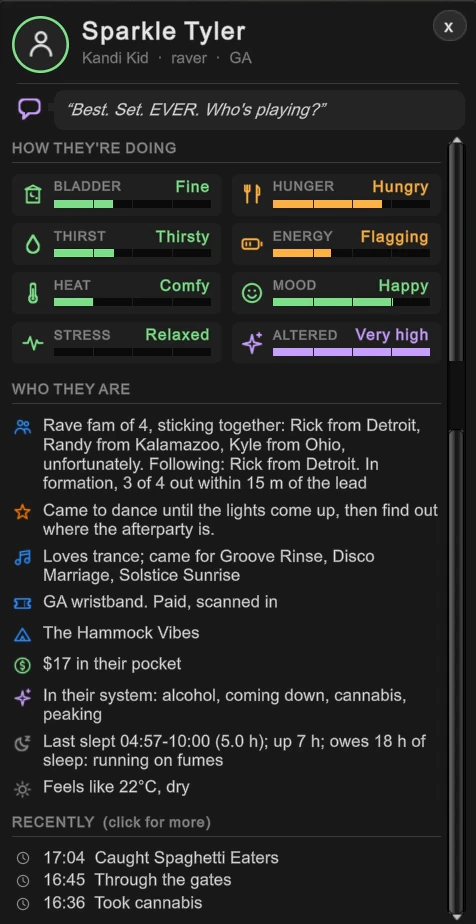
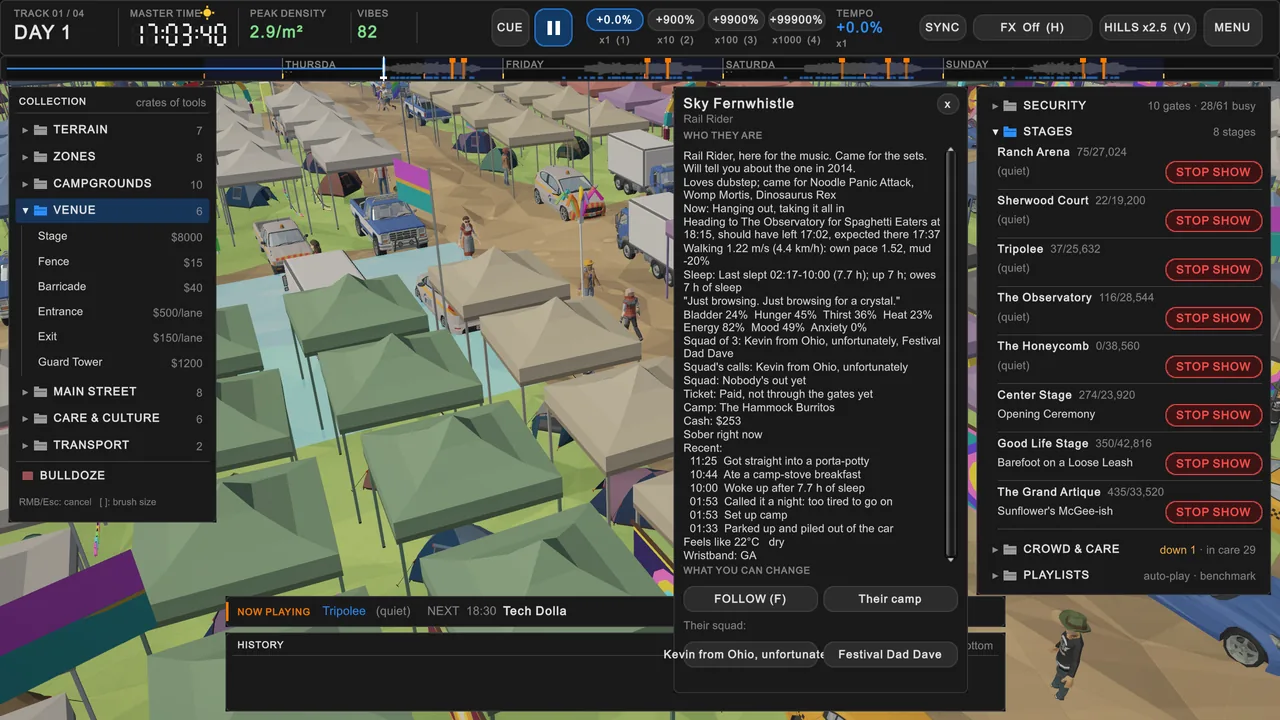
A real inspector, day one, 17:07. Every guest has one.
The inspector
Pick any guest and the game shows its working.
How they’re doing Every need, live: bladder, hunger, thirst, heat, energy, mood, stress, and how altered they are.
Their rave fam Who they came with, who’s leading, and how many are still within 15 metres of the lead.
In their system What they took and where each one is on its curve: coming up, peaking or coming down.
The day log Their day to the minute: through the gates, caught a set, took something.
Click anyone
Pick any guest and the inspector shows what’s in their system and where each dose is: coming up, peaking or coming down.
MoreLess
And whether it’s what it was sold as. Their day log times every dose, and their walking pace shows what’s slowing them.
Timing is everything
Most of it happens between 8 p.m. and 2 a.m.; mornings are coffee.
MoreLess
A rave fam pregames at camp so the headliner lands at the peak, and some top up after it. By 3 a.m. one person can be carrying the headliner’s tail, a top-up, a drink and a bump, each on its own clock.
Mixing
Two in the system means two curves at once, and the effects stack. Some pairs are worse than the sum.
MoreLess
Drinking on GHB triples the overdose risk, depressants together slow a body further than any one alone, and stimulants on stimulants run it hotter and harder.
It moves the crowd
MDMA brings people up to 6 metres closer to the front; psychedelics hang 8 metres back.
MoreLess
It all shows up in the physics. Ketamine halves walking pace. Drink and cocaine make people pushier, and anyone tripping loses their rave fam three times as often.
Heat, thirst and too much water
Heat strain builds from dancing, the crowd, the weather, what they took and how dry they are. Water saves lives.
MoreLess
A sober dancer sits at about 0.75, someone on MDMA about 1.4, a cathinone sold as MDMA about 2.5. And chugging litres of water on MDMA is its own emergency.
Not what it says on the bag
About 15% of “MDMA” is something else, and the fake is three times as dangerous.
MoreLess
About 1.5% of cocaine carries fentanyl. Bought from a stranger inside, it’s fake two and a half times as often. The inspector shows you who got a fake. They don’t know.
Drug checking
Put a checking tent within 300 metres and one in five people get their sample tested.
MoreLess
Told it isn’t what they expected, 60% throw it away; told it is, half still take less. Real festival drug checking cut drug-related medical incidents by 12%.
The strict-gate trap
An airport-grade search catches more, but in the queue for one, up to 35% of the people carrying something would rather take all of it at once than lose it.
MoreLess
All at once is a documented path to an overdose. Every search policy is a trade-off.
Care that gets there
Medics dispatch in 3 minutes, slower through a packed crowd. With no tent, it’s an ambulance from town in 25+ minutes.
MoreLess
A bad trip is far likelier packed in, lost or alone; friends walk the mild ones to a sanctuary, and they’re back out in an hour or two.
Free water within 250 metres. Without it, guests pay $6 a bottle at the bar, and half go without.
Medical tents close to the crowds: the worst cases have about 12 minutes before the wait itself does harm.
A sanctuary for anyone overwhelmed: friends walk the milder cases over, and it never takes a medical bed.
Drug checking, search policy and room to breathe. Density makes people hotter, falls worse and medics slower.
Timings follow published pharmacology; the crowd effects are the model’s own settings, tuned
against festival research and calibrated to the 25–30 medical presentations per 10,000 guests a day that real dance
festivals see. Serious cases are rare, and the most serious ones reached late are the ones that can end a life. When
that happens the game says so plainly, and it is never a joke. No dosing advice here or in the game: if you’re
going to a festival, find your local drug-checking and harm-reduction service.
The serious part
The jokes stop at the crowd.
Crowd crushes are real, and they are preventable. Wookland uses the numbers real event-safety planners use, so
the game teaches the same instincts: watch density, give people ways out, and never wall a crowd in.
Stage capacity is 2 people per m² of ground that can see the stage.
Exits pass 82 people per metre per minute; the HUD tracks egress time against an 8-minute target.
Chain-link fence gets trampled under pressure. Barricades hold, and work as wave-breakers.
Medical, free water, sanctuary and drug checking all change outcomes. Late responses cost lives.
STOP SHOW empties a stage. Sometimes it’s the right call.
< 2 /m²Comfortable
4 /m²Warning
5 /m²Nobody can move on their own
5+ /m² sustainedInjuries
Planning rules after the Purple Guide, the Event Safety Guide and ANSI ES1.9. The density heatmap is one key away (H).
After the music, the lanes take over.
Screenshots
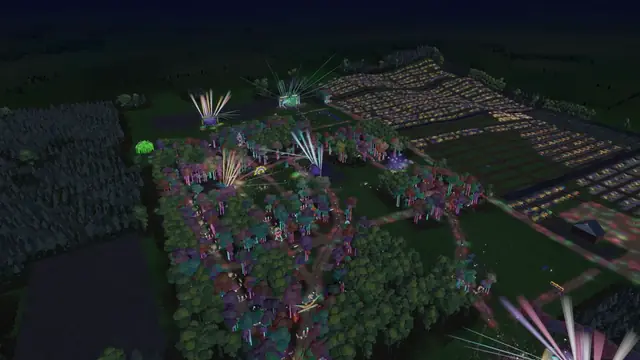
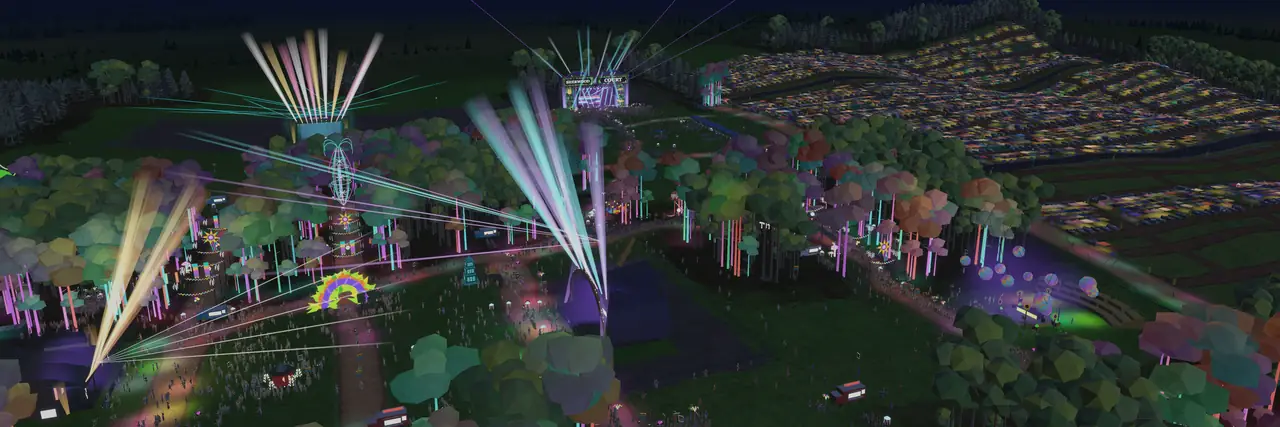
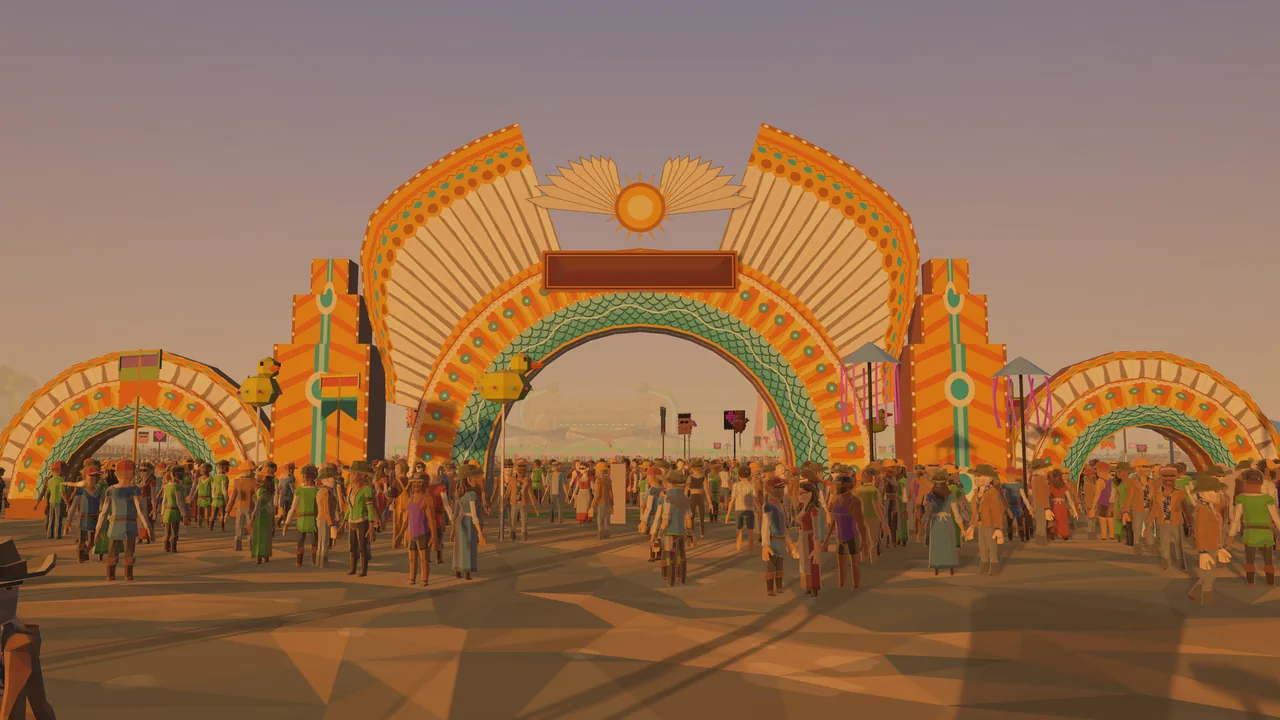
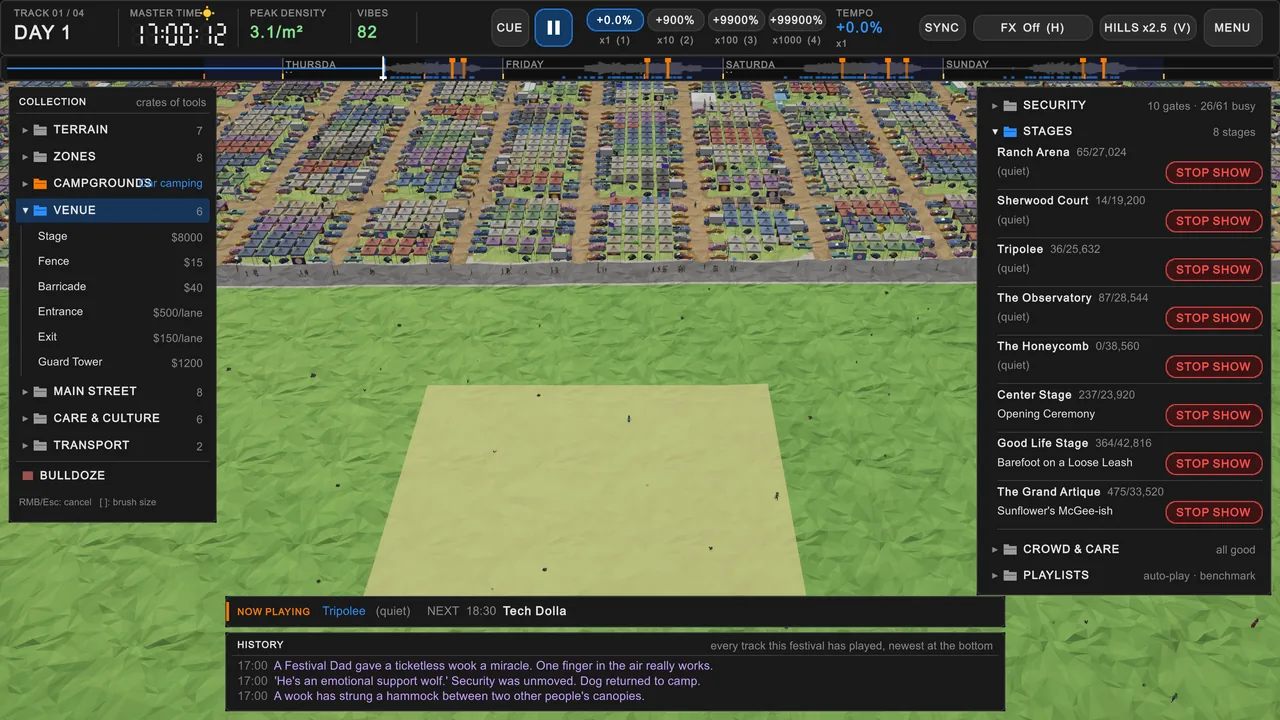
Work in progress. Click to enlarge.
Overheard in the campground
“Are you rolling?”
“Where is Molly? I can’t find her.”
“Let’s get feral.”
“I really like this song, but I’m saving my neck for the headliner.”
“CAAARRRRLLLL!” the whole campground, answering, 4 a.m.
“I need a miracle!” one finger up, the gate line
“It’s totally cool, guys. It’s only Wednesday.”
“We’re hitting the rail. If we lose you, meet at the totem.”
“Stop shoving so much water down my throat!” “Hey. Don’t talk to your rave mom like that.”
“This is the worst best time of my life.”
“Where are the afters?” “Bro, it’s 6 a.m. This is the sunrise set.”
“Happy Wookland!”
Happy Wookland! Now wishlist it.
Wishlisting tells Steam to let you know when Wookland is out, and helps a small studio more than you’d think.